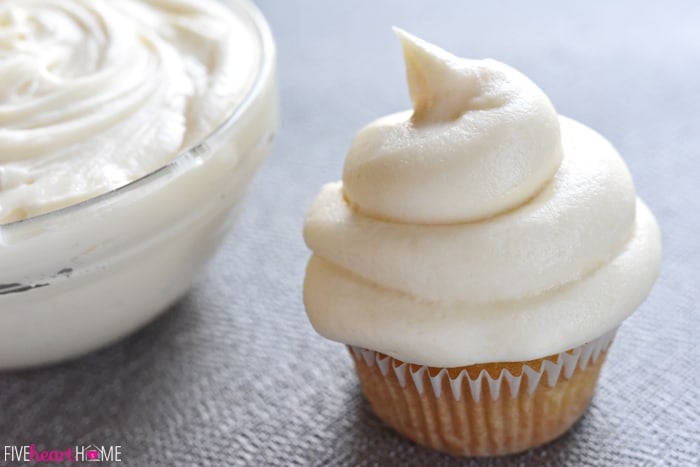
Quick & Easy Cream Cheese Frosting: Your Go-To for Any Dessert
Every home baker has that one signature recipe, a reliable staple they turn to again and again. For many, that essential in their culinary arsenal is a fantastic
cream cheese frosting. It’s more than just a topping; it's a game-changer, elevating everyday baked goods into something truly special. Imagine a frosting that’s rich yet perfectly balanced, with a delightful tang that cuts through sweetness, making every bite an absolute pleasure. This isn't just a dream – it’s the reality of a well-made cream cheese frosting. Whether you're a seasoned pro or just starting your baking journey, mastering this versatile confection will unlock a world of delicious possibilities for your cakes, cupcakes, cookies, and beyond.
Why Cream Cheese Frosting Reigns Supreme in Your Kitchen
What makes
cream cheese frosting such an indispensable staple? Its unparalleled versatility and irresistible flavor profile are just the beginning. From classic carrot cake and decadent red velvet to humble brownies and morning cinnamon rolls, this frosting proves its worth across the dessert spectrum. The magic lies in its unique blend: a luxurious richness from butter and cream cheese, tempered by the signature tang of the latter, ensuring it's never cloyingly sweet. It strikes that perfect balance, feeling indulgent without being heavy.
Beyond its incredible taste, its ease of preparation is a significant draw. Most recipes come together in a mere 5 to 10 minutes, transforming a handful of common ingredients into a generous batch of velvety smooth goodness. This means you can whip up a thick, spreadable topping for a two-layer cake, pipe elegant swirls onto a dozen cupcakes, or even have some left over to stash for a pan of brownies later in the week, all without feeling like you’ve spent your entire afternoon in the kitchen. It’s the ultimate "tastes like I put in the effort, but I really didn't overthink it" frosting, making it ideal for busy weekdays and special occasions alike.
Cream Cheese Frosting vs. Traditional Buttercream: What's the Difference?
While both cream cheese frosting and traditional buttercream are beloved dessert toppings, they offer distinct experiences. Understanding these differences can help you choose the perfect finish for your baked goods.
Buttercream is perhaps the most widely recognized frosting, typically composed of butter, powdered sugar, a splash of milk or cream, and vanilla extract, all whipped together until light and fluffy. It's known for its airy texture and pure, sweet flavor.
Cream cheese frosting, on the other hand, introduces cream cheese into this classic foundation. The addition of cream cheese transforms the texture and flavor considerably. You get a frosting that is:
*
Richer and Denser: It has a more substantial mouthfeel than airy buttercream.
*
Smoother: Often boasting a silky-smooth consistency.
*
Tangy: The hallmark flavor is that subtle, pleasant tang from the cream cheese, which brilliantly balances the sweetness of the powdered sugar and complements rich cakes and desserts.
This unique combination makes it a superior choice for specific desserts, enhancing flavors rather than just adding sweetness. For a deeper dive into these popular choices, you can explore
Cream Cheese vs. Buttercream: Understanding Your Frosting Options.
The Magic Ingredients: Getting Started Right
Crafting the perfect
cream cheese frosting begins with just four core ingredients, most of which you likely already have on hand:
*
Softened Butter: Unsalted butter is usually preferred to control salt levels, but salted works too if you adjust. Crucially, it must be *softened*, not melted, to cream properly with the cream cheese.
*
Softened Cream Cheese: Full-fat cream cheese is key for the best flavor and texture. Like butter, it needs to be *softened* to room temperature to ensure a smooth, lump-free frosting. A cold block will result in a clumpy, difficult-to-mix texture.
*
Powdered Sugar (Confectioners' Sugar): This provides the sweetness and structure. Sifting it isn't always necessary for modern brands, but it can help prevent lumps if you're concerned.
*
Vanilla Extract: High-quality pure vanilla extract adds warmth and depth to the flavor profile.
The importance of using *softened* butter and cream cheese cannot be overstated. These fats need to be at a similar, pliable temperature to emulsify properly, creating that signature silky smooth texture. Forgetting this step is a common pitfall that can lead to frustratingly lumpy frosting.
Mastering the Technique: Tips for Smooth, Silky Perfection
While seemingly simple, a few key techniques can elevate your
cream cheese frosting from good to absolutely glorious.
The Art of Whipping
1.
Creaming the Fats First: Start by beating the softened butter and softened cream cheese together in a large bowl. Use an electric mixer (handheld or stand mixer) on medium speed. Beat until the mixture is completely smooth, pale, and fluffy – typically 2-3 minutes. This step is critical for ensuring there are no lumps of cream cheese or butter, forming the perfect creamy base.
2.
Gradually Add Powdered Sugar: With the mixer on low speed, slowly add the powdered sugar, one cup at a time, allowing each addition to be fully incorporated before adding more. This prevents a sugar cloud explosion and ensures a silky consistency. Once all sugar is added, increase speed to medium-high and beat for another 1-2 minutes until light and fluffy.
3.
Vanilla and Final Whip: Stir in the vanilla extract. Give the frosting one final whip on medium-high for about 30 seconds to incorporate any scraped-down bits and ensure maximum fluffiness.
Troubleshooting Common Issues:
*
Lumpy Frosting: The most common culprit is cold cream cheese or butter. If you've already started, try beating longer, or gently warm the bowl over a bain-marie (hot water bath) for a minute or two, then beat vigorously again.
*
Too Thin: If your frosting is too runny, add more powdered sugar, about 1/4 cup at a time, until you reach your desired consistency.
*
Too Thick: If it's too stiff to spread, add a teaspoon of milk or cream at a time, beating after each addition, until it's perfect.
*
Greasy Texture: This usually happens from over-beating, especially if your kitchen is warm. The fat can separate. Sometimes chilling it slightly and re-whipping can help, but it's best to avoid overmixing once the ingredients are combined.
With these insights and a little practice, you'll be able to create a consistently smooth, tangy, and perfect frosting every time. For even more detailed instructions and expert advice, check out
Mastering Cream Cheese Frosting: Smooth, Tangy & Perfect Every Time.
Beyond the Basics: Customizing Your Cream Cheese Frosting
While classic
cream cheese frosting is delightful on its own, it also serves as an excellent canvas for flavor experimentation.
*
Citrus Zest: Add lemon, orange, or lime zest for a bright, refreshing twist – especially wonderful for spring and summer desserts.
*
Spices: A pinch of cinnamon, nutmeg, or pumpkin spice is fantastic for fall and holiday treats, complementing carrot or pumpkin cakes.
*
Cocoa Powder: Sift in a few tablespoons of unsweetened cocoa powder for a luscious chocolate cream cheese frosting, perfect for chocolate cakes or red velvet.
*
Other Extracts: Experiment with almond, coconut, peppermint, or even a dash of rum extract to match your dessert.
*
Fruit Purees: For a delicate fruity note, carefully fold in a small amount of reduced and cooled fruit puree (like raspberry or strawberry), being mindful not to thin the frosting too much.
*
Coloring: Gel food coloring works best for vibrant hues without affecting the consistency.
Whether you're piping intricate designs, creating smooth layers, or simply spooning it generously, this homemade frosting holds its shape beautifully and adds the best finishing touch to any dessert.
Storage and Food Safety: Keeping Your Treats Fresh
One critical aspect of using
cream cheese frosting is proper storage and food safety. Since cream cheese is a perishable dairy product, desserts frosted with it should not be left at room temperature for extended periods.
*
Refrigeration is Key: Always refrigerate cakes, cupcakes, or any dessert topped with cream cheese frosting if it won't be consumed within a couple of hours.
*
Storage Life: Store leftover frosting in an airtight container in the refrigerator for 3-5 days. You may need to let it come to room temperature for 15-30 minutes and give it a quick whip before re-using to restore its spreadable consistency.
*
Frosted Desserts: Once frosted, keep your dessert covered in the refrigerator. For optimal flavor and texture, allow the frosted dessert to sit at room temperature for about 15-30 minutes before serving. This takes the chill off the frosting, making it softer and creamier.
Conclusion
The quick and easy
cream cheese frosting is truly a baker's best friend. Its perfect balance of sweetness and tang, combined with a rich, smooth texture, makes it an undeniable champion in the world of dessert toppings. Whether you're dressing up a simple batch of brownies or crowning a multi-layered masterpiece, this recipe delivers dependable deliciousness every time. With just a few basic ingredients and simple techniques, you can create a frosting that not only tastes incredible but also makes your desserts look professionally finished. So, roll up your sleeves, grab your mixer, and get ready to make this versatile, velvety frosting your new signature staple!