Mastering Cream Cheese Frosting: Smooth, Tangy & Perfect Every Time
Few culinary creations capture the hearts of bakers and dessert lovers quite like cream cheese frosting. It's more than just a topping; it's a staple, a secret weapon in the arsenal of anyone who loves to bake. With its signature tang, velvety texture, and unparalleled versatility, a perfectly executed batch of cream cheese frosting elevates everything it touches, transforming simple cakes and cupcakes into extraordinary treats. It’s the frosting you reach for when you want a rich, balanced flavor that tastes like a labor of love, even if it comes together in minutes.
Whether you're dressing up a classic carrot cake, swirling it onto red velvet cupcakes, or adding a luxurious finish to brownies, understanding the nuances of this beloved frosting is key to achieving consistent perfection. This comprehensive guide will walk you through everything you need to know, from the essential ingredients and fool-proof techniques to expert tips that ensure your cream cheese frosting is smooth, stable, and utterly delicious every single time.
Why Cream Cheese Frosting Reigns Supreme in the Dessert World
What makes cream cheese frosting so indispensable? Its widespread appeal lies in a unique combination of flavor and texture that sets it apart from other frostings. Unlike intensely sweet buttercreams, the inherent tang of cream cheese provides a delightful counterpoint to sugary desserts. This rich, slightly acidic note prevents your baked goods from becoming cloyingly sweet, creating a harmonious balance that keeps you coming back for more.
Beyond its impeccable flavor, its versatility is unmatched. Imagine a warm cinnamon roll, still sticky from the oven, draped in a generous slather of creamy, tangy goodness. Or a dense slice of pumpkin bread, brightened by a swirl of this luscious topping. From the classic pairings like carrot cake and red velvet to more unconventional uses on lemon bars or even chocolate chip cookies, cream cheese frosting adapts beautifully. Its sturdy yet spreadable consistency means it's perfect for both thick, rustic spreads and intricate piping, holding its shape well while maintaining that desirable smooth mouthfeel. It truly makes any dessert feel special without demanding an excessive amount of effort or time, often whipping up in under ten minutes.
Cream Cheese Frosting vs. Buttercream: Understanding Your Frosting Options
While both cream cheese frosting and traditional buttercream are beloved dessert toppings, they offer distinct experiences. Understanding these differences is crucial for choosing the right frosting for your specific dessert and achieving your desired flavor profile and aesthetic. For a deeper dive into the world of frostings, you can explore our detailed comparison in Cream Cheese vs. Buttercream: Understanding Your Frosting Options.
Traditional Buttercream is typically made by creaming butter with powdered sugar, a splash of milk or cream, and vanilla extract until light and fluffy. Its texture is usually airier and lighter, with a straightforward sweet flavor. It's known for its ability to hold intricate piped shapes, making it a favorite for elaborate cake decorating and delicate floral designs.
Cream Cheese Frosting, on the other hand, introduces cream cheese into the mix alongside butter and powdered sugar. This addition is transformative. It yields a denser, smoother, and somewhat heavier texture compared to buttercream, making it feel more luxurious and substantial. The most defining characteristic, however, is its signature tangy flavor. This tang isn't just a background note; it's a deliberate component that cuts through the sweetness, providing a complexity that buttercream simply doesn't offer. While it can be piped beautifully, its slightly softer nature often lends itself to more classic swirls and spreads, perfectly complementing rich, spiced cakes and moist cupcakes.
Crafting Your Perfect Batch: Ingredients & Method for Success
Achieving a silky-smooth, perfectly balanced cream cheese frosting is incredibly straightforward when you understand the role of each ingredient and follow a few key techniques. This isn't just a recipe; it's a blueprint for perfection.
The Essential Ingredients for Irresistible Cream Cheese Frosting
- Cream Cheese: This is the star of the show! For the best results, use full-fat block cream cheese, not the spreadable kind from a tub, as it has a higher water content and can make your frosting too thin. Crucially, your cream cheese should be softened to room temperature. This ensures it creams smoothly with the butter, preventing lumps and creating that desirable uniform texture.
- Unsalted Butter: Like the cream cheese, your butter needs to be softened to room temperature. Using unsalted butter allows you to control the overall saltiness of your frosting, preventing it from becoming too savory. Softened butter creams beautifully, incorporating air and contributing to the frosting’s light, fluffy consistency.
- Powdered Sugar (Confectioners' Sugar): This provides the sweetness and, more importantly, the structure for your frosting. Always measure accurately. For an extra smooth finish, consider sifting your powdered sugar before adding it. This removes any lumps and ensures a consistently fine texture.
- Vanilla Extract: High-quality vanilla extract is essential for enhancing the overall flavor profile. It adds warmth and depth, complementing both the tang of the cream cheese and the sweetness of the sugar. Don't skimp on good vanilla!
- Pinch of Salt (Optional but Recommended): A small pinch of fine sea salt can work wonders by brightening all the other flavors and preventing the frosting from tasting flat. It’s a subtle addition that makes a big difference.
Step-by-Step Method for a Silky Smooth Frosting
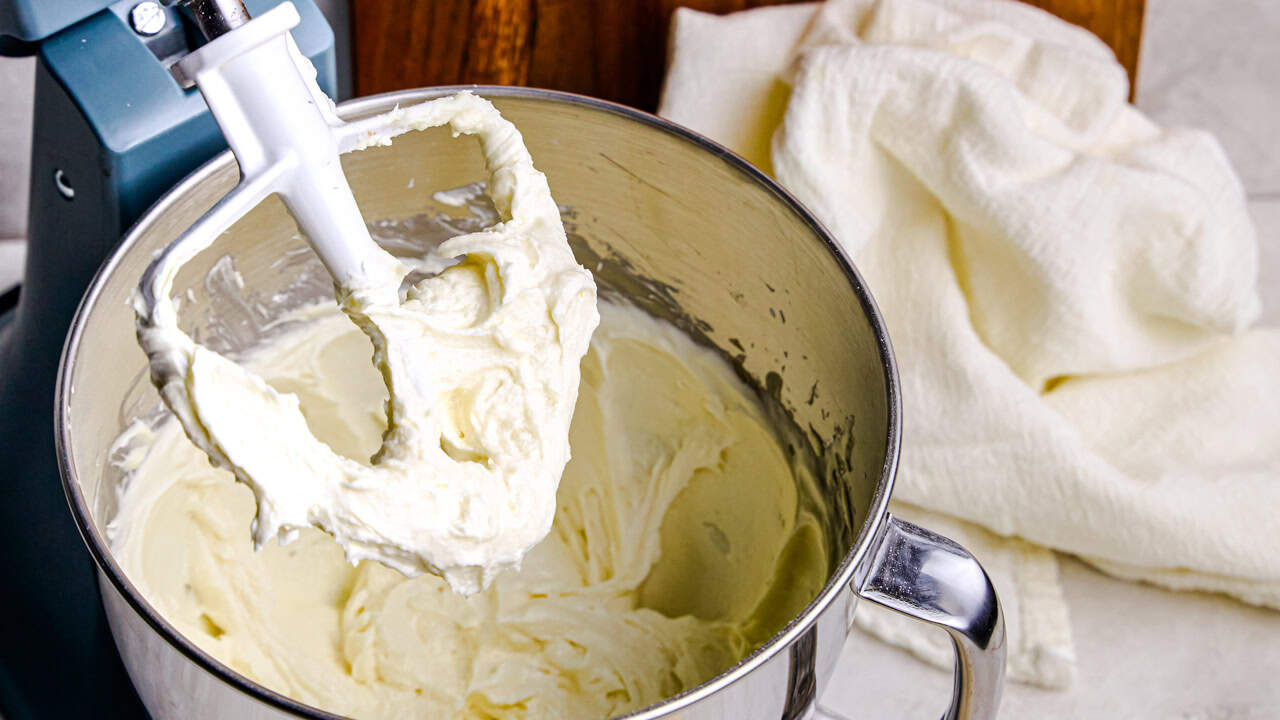
- Cream Together Butter and Cream Cheese: In a large mixing bowl (or the bowl of a stand mixer fitted with the paddle attachment), beat the softened butter and softened cream cheese together on medium speed until they are completely smooth, light, and fluffy. This usually takes 2-3 minutes. This initial step is vital for preventing lumps and achieving a consistently creamy base.
- Gradually Add Powdered Sugar: With the mixer on low speed, slowly add the sifted powdered sugar, one cup at a time, until fully incorporated. If you skip sifting, ensure you beat well to break down any clumps. Mixing on low initially prevents a cloud of sugar from engulfing your kitchen!
- Mix in Vanilla (and Salt): Once all the sugar is added and the mixture is smooth, stir in the vanilla extract and the pinch of salt (if using). Increase the speed to medium-high and beat for another 1-2 minutes until the frosting is light, fluffy, and perfectly smooth. Be careful not to overbeat, as this can incorporate too much air, making the frosting unstable or even thinning it out.
- Adjust Consistency (If Needed): If your frosting feels too thick, you can add a tiny splash (1 teaspoon at a time) of heavy cream or milk until it reaches your desired consistency. If it's too thin, a bit more sifted powdered sugar can thicken it up. For more quick tips and a go-to recipe, check out our guide on Quick & Easy Cream Cheese Frosting: Your Go-To for Any Dessert.
Your finished cream cheese frosting should be thick enough to hold its shape for piping yet soft enough to spread easily. This generous batch is typically enough to thickly frost a two-layer 8 or 9-inch cake, cover a dozen cupcakes, or lavishly top a sheet pan dessert.
Storage, Safety & Serving Suggestions for Your Cream Cheese Creation
One of the most important aspects of working with cream cheese frosting is understanding its perishability. Because cream cheese is a dairy product, proper storage is crucial for both food safety and maintaining the frosting's quality.
- Refrigeration is a Must: Cakes and other desserts frosted with cream cheese frosting absolutely need to be refrigerated. Unlike some buttercreams that can safely sit at room temperature for longer periods, cream cheese is perishable and should not be left out for more than two hours. Once your cake or cupcakes are frosted, cover them loosely and pop them into the fridge.
- Storage Duration: Leftover frosting can be stored in an airtight container in the refrigerator for up to a week. Before using, let it come to room temperature and then re-whip it briefly with an electric mixer to restore its creamy texture.
- Serving Temperature: For the best flavor and texture experience, allow your frosted desserts to sit at room temperature for about 15-30 minutes before serving. This takes the chill off the frosting, making it softer, creamier, and allowing its complex flavors to shine through.
- Freezing: You can also freeze leftover cream cheese frosting for up to a month. Store it in an airtight, freezer-safe container. Thaw it overnight in the refrigerator, then re-wwhisk it until smooth and fluffy again before use.
Conclusion
Mastering cream cheese frosting is a truly rewarding endeavor for any home baker. It’s a testament to the idea that sometimes, the simplest things are the most profound. From its balanced sweet-and-tangy flavor to its irresistible smooth texture and incredible versatility, this frosting stands as a true staple. With just a few basic ingredients and the right techniques, you can confidently whip up a batch that is smooth, stable, and utterly delicious every single time. So go ahead, embrace the cream cheese, and watch as your desserts transform into masterpieces that will delight everyone who takes a bite.
