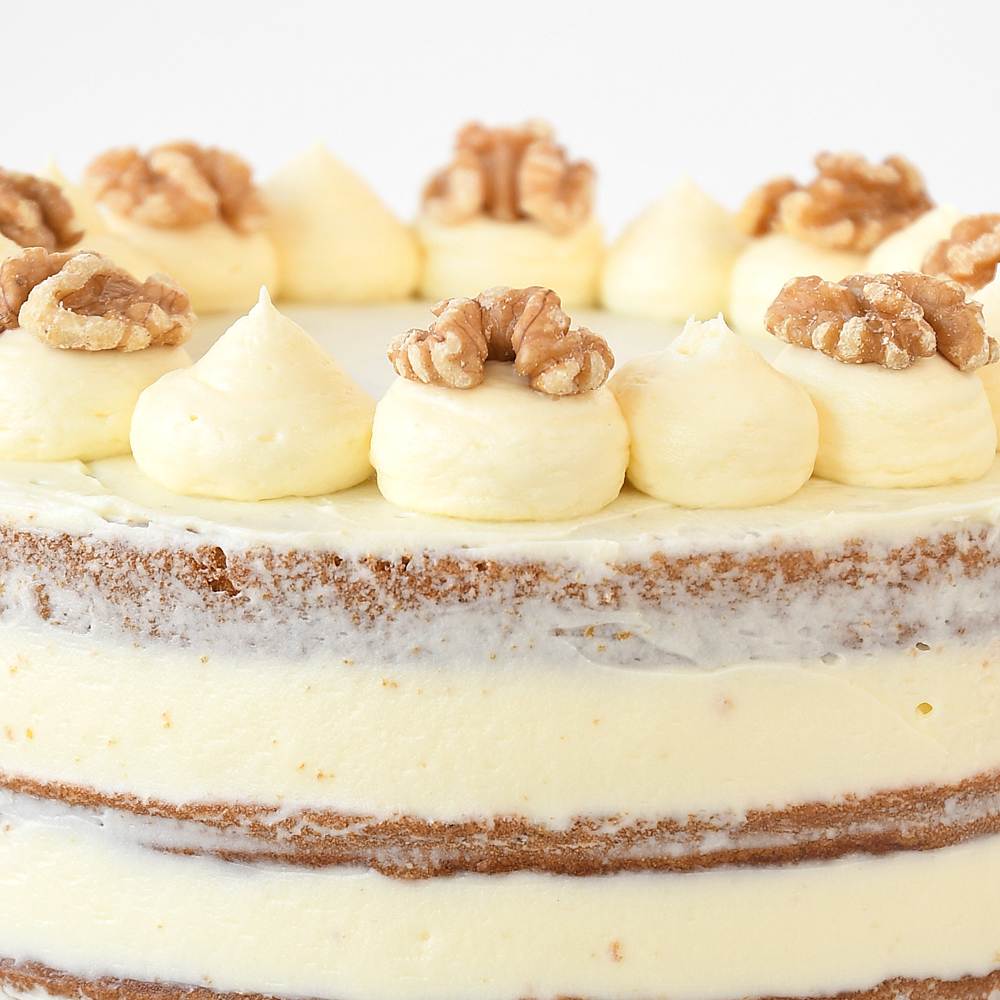
Cream Cheese vs. Buttercream: Understanding Your Frosting Options
When it comes to topping your delectable desserts, the choice of frosting can elevate a simple cake or cupcake into an unforgettable experience. Two giants dominate the world of sweet finishes: the classic, airy buttercream and the rich, tangy
cream cheese frosting. While both promise a delightful sweet layer, they offer distinctly different flavor profiles, textures, and applications. Understanding these nuances is key to selecting the perfect frosting that complements your baked goods and delights every palate.
The Allure of Cream Cheese Frosting: A Culinary Staple
Cream cheese frosting is more than just a sweet topping; it's a phenomenon that has captured the hearts of bakers and dessert lovers worldwide. Its undeniable appeal lies in its unique balance of richness and tang, a characteristic that sets it apart from other frostings. Unlike the often overwhelmingly sweet classic buttercream, cream cheese frosting introduces a subtle, zesty counterpoint, thanks to the star ingredient: cream cheese. This tanginess expertly cuts through the sweetness of the powdered sugar, resulting in a balanced, sophisticated flavor that never feels cloying.
Beyond its captivating taste, the texture of cream cheese frosting is another major draw. It's typically smoother and denser than buttercream, offering a luxurious, velvety mouthfeel that clings beautifully to cakes and pastries. This makes it incredibly satisfying to eat, providing a substantial, creamy layer that enhances rather than overshadows the dessert it adorns.
The versatility of cream cheese frosting is truly remarkable. It's the undisputed champion for iconic desserts like carrot cake and red velvet cake, where its slight tang complements the spiced or cocoa-rich flavors perfectly. But its uses extend far beyond these classics. Imagine a thick layer on fluffy pumpkin cupcakes, a generous dollop on warm cinnamon rolls, or even as a decadent topping for brownies. Its ability to pair with such a diverse range of baked goods makes it an indispensable tool in any baker's arsenal.
One of the greatest advantages of this beloved frosting is its relative ease of preparation. With just a handful of common ingredients—softened butter, cream cheese, powdered sugar, and a touch of vanilla—you can whip up a generous batch in a matter of minutes. This quick turnaround makes it the ideal choice when you need a finishing touch that tastes like a labor of love but requires minimal effort. It’s the kind of frosting that, once mastered, becomes a reliable "back pocket" recipe you’ll turn to again and again.
Buttercream Basics: The Classic Contender
Buttercream, in its various forms, stands as the quintessential frosting for many. It’s the frosting most people picture when they think of birthday cakes and elaborate cupcake decorations. At its core, traditional American buttercream is a simple combination of softened butter, powdered sugar, a splash of milk or cream, and vanilla extract, all whipped together until light, fluffy, and incredibly airy.
The primary characteristic of buttercream is its rich, buttery sweetness. While delicious, this sweetness can sometimes be intense, especially in American buttercream, which relies heavily on powdered sugar for structure and taste. However, buttercream truly shines in its ability to be whipped to an incredibly light and voluminous consistency, making it easy to spread and, more notably, to pipe into intricate designs. Its stability at room temperature (relative to cream cheese frosting) and firm structure allow for elaborate floral arrangements, delicate borders, and other decorative flourishes that might challenge the softer nature of cream cheese frosting.
There are, of course, many varieties of buttercream, including Swiss meringue, Italian meringue, and French buttercream, each offering different levels of sweetness, richness, and stability, often involving egg whites or yolks to create a more stable emulsion. These variations tend to be silkier and less sweet than American buttercream, but the fundamental difference from cream cheese frosting remains: they lack that signature tangy counterpoint.
Buttercream is the go-to for many bakers creating classic white cakes, vanilla cupcakes, or any dessert where a light, sweet, and airy topping is desired without the added complexity of a tangy note. It’s perfect for celebratory cakes that need to hold their shape and appeal for extended periods at events.
Cream Cheese vs. Buttercream: A Head-to-Head Comparison
Choosing between cream cheese frosting and buttercream often comes down to understanding their fundamental differences and how they interact with your chosen dessert.
Flavor Profile: Tangy vs. Sweet
The most significant differentiator is undoubtedly flavor.
Cream cheese frosting offers a complex flavor profile that is both rich and tangy, providing a delightful contrast to sweet cakes. This tanginess is its hallmark, preventing the frosting from being overly sweet and adding a depth that purely sugary frostings lack. Buttercream, on the other hand, is primarily sweet and buttery. While delicious, it can sometimes be a one-note sweetness, especially in its simpler forms. The absence of a counterbalancing tang means it relies on pure sugar and butter flavor to carry the frosting.
Texture & Consistency: Denser vs. Airy
Texture is another key distinction. Cream cheese frosting tends to be denser and smoother, with a velvety, melt-in-your-mouth quality. It’s less airy and voluminous than buttercream, providing a more substantial, creamy layer. Buttercream, conversely, is known for its light, fluffy, and airy consistency. Its high air content gives it a delicate texture that almost dissolves on the tongue, making it excellent for achieving height and lightness in decorations. This difference also affects how well each frosting holds intricate piped shapes; buttercream generally offers superior structural integrity for detailed work.
Ideal Pairings: Tailoring to Your Dessert
*
Cream Cheese Frosting is the natural partner for desserts with rich, moist, or spiced profiles. Think carrot cake, red velvet cake, pumpkin bread, banana bread, gingerbread, and even chocolate stout cake. Its tang cuts through these flavors beautifully.
*
Buttercream is incredibly versatile and pairs well with a vast array of cakes and cupcakes, particularly those with vanilla, chocolate, lemon, or almond bases. It's often chosen for simple elegance on vanilla bean cakes or as a canvas for vibrant food coloring and elaborate piping on celebration cakes.
Stability & Storage: Refrigeration is Key for Cream Cheese
This is a critical practical consideration. Due to the perishable nature of cream cheese, desserts frosted with
cream cheese frosting absolutely require refrigeration. If left at room temperature for more than a couple of hours, the cream cheese can spoil, posing a food safety risk. Once chilled, cream cheese frosting firms up nicely, making slicing and serving easier. Buttercream, especially those made primarily with butter and powdered sugar (like American buttercream), is generally more stable at room temperature for several hours or even a day, although extreme heat can cause it to soften significantly. Meringue-based buttercreams also have good stability. Always check specific recipes for the best storage advice.
Mastering Cream Cheese Frosting: Tips for Success
Creating the perfect cream cheese frosting is surprisingly simple, but a few key tips can elevate your results from good to extraordinary:
*
Ingredient Temperature is Paramount: While some recipes suggest cold cream cheese for a stiffer frosting, most classic recipes call for both butter and cream cheese to be softened to room temperature. This ensures they cream together smoothly and evenly, preventing lumps. Just be careful not to let them get too warm, as this can result in a runny frosting.
*
Don't Overmix: Once you've added the powdered sugar and vanilla, mix until just combined and smooth. Overmixing can incorporate too much air, making the frosting less dense, and in some cases, can cause the cream cheese to break down, resulting in a thin, soupy consistency.
*
Adjust Consistency as Needed: If your frosting is too thick, add a tiny splash of milk or cream, a teaspoon at a time, until it reaches your desired consistency. If it's too thin, gradually beat in more powdered sugar until it firms up. Chilling a slightly runny frosting can also help it thicken.
*
High-Quality Ingredients: Since there are so few ingredients, the quality truly shines through. Use full-fat block cream cheese (not spreadable tub cream cheese, which has more water) for the best flavor and texture. Good quality butter and pure vanilla extract also make a noticeable difference.
*
Flavor Customization: While delicious on its own, cream cheese frosting is also a fantastic canvas for other flavors. Consider adding a teaspoon of lemon zest for an extra pop of tang, a pinch of cinnamon or nutmeg for spiced cakes, or a tablespoon of unsweetened cocoa powder for a chocolate version. A dash of almond extract can also add a delightful complexity.
Conclusion
Both cream cheese frosting and buttercream hold esteemed places in the baking world, each bringing its own unique strengths to the table. Cream cheese frosting charms with its distinctive tangy richness, smoother texture, and perfect pairing with specific, often spiced or dense, desserts, though it does demand refrigeration. Buttercream offers unparalleled versatility in decoration, a classic sweet flavor, and a lighter, airier consistency. Your ultimate choice will depend on the dessert itself, the desired flavor profile, and the practicalities of storage and presentation. By understanding the characteristics and best uses of each, you can confidently select the perfect topping, ensuring your baked creations are always finished with a flourish. So, whether you lean towards the tangy sophistication of
cream cheese frosting or the sweet, airy charm of buttercream, your desserts are sure to be a hit.